St. Martin’s Day, celebrated on November 11th, is one of the most cherished and deeply rooted traditions in Portuguese culture. But St. Martin’s is more than just a single day — it is a whole season of celebration that extends throughout November. It marks the heart of autumn and symbolizes the meeting of human generosity with the pleasure of simple things: roasted chestnuts, new wine, and the joy of gathering around the table.
Its origin dates back to the 4th century and centers on Martin of Tours, a Roman soldier who, on a cold and rainy day, met a beggar by the roadside. Moved by compassion, he cut his cloak in half and gave one part to the man to protect him. According to legend, immediately after this act, the storm stopped and the sun shone brightly, warming the day — a phenomenon that gave rise to the expression “St. Martin’s Summer.”
Later, Martin abandoned his military life and became Bishop of Tours. Today, he is venerated across Europe as a symbol of charity, brotherhood, and humility. His example has endured through the centuries, inspiring traditions that still bring families and communities together in the spirit of sharing.
In Portugal, the magusto is the highlight of the celebrations. From north to south, bonfires are lit, and the air fills with the aroma of roasted chestnuts. Around them, friends and neighbors taste the new wine, jeropiga, or água-pé, toasting to abundance and friendship. Schools, associations, and town squares host community magustos, where conviviality, folk music, and laughter mingle with the simple, warm spirit that defines this festivity. The people sum it up perfectly in the saying: “On St. Martin’s Day, go to the cellar and taste the wine.”
But St. Martin’s month is also a celebration of the table — a place of gathering, sharing, and tradition. In many regions, November lunches feature typical dishes that reflect the season’s culinary richness, such as cozido, feijoada, pumpkin porridge, rice pudding, or rabanadas that herald the coming winter. These recipes warm both body and soul, often served among family and friends, where each meal becomes a pretext to celebrate life and the season.
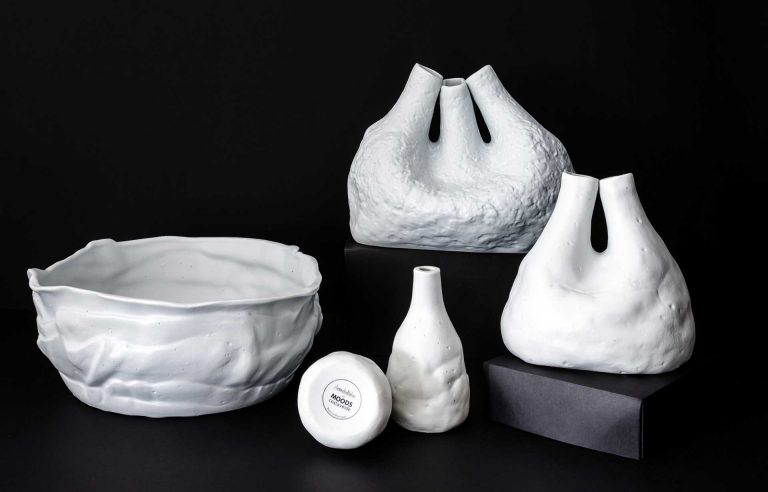
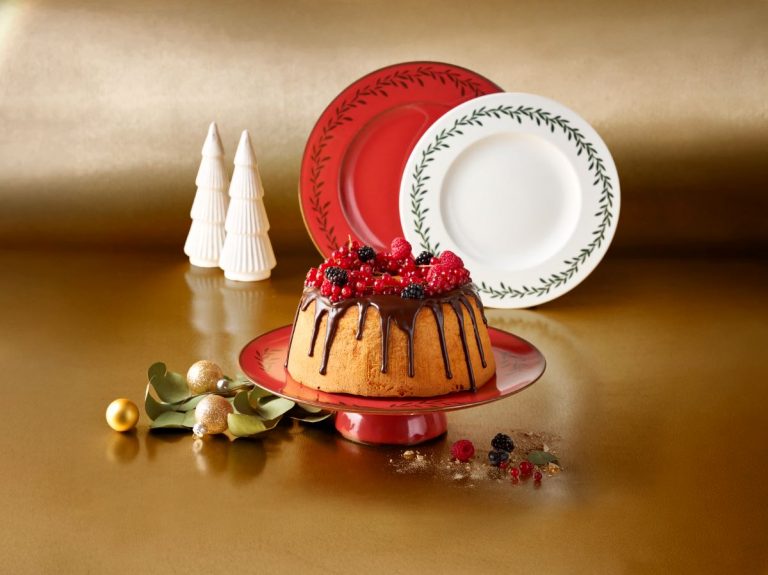
It is within this atmosphere of conviviality that Costa Verde finds its inspiration: to create porcelain that elevates the dining moment, turning it into a sensory and emotional experience. Through the Moods collection, the brand celebrates precisely this diversity of moments, environments, and styles that shape everyday life — and how each piece contributes to making a table more authentic and welcoming.
During St. Martin’s celebrations, and throughout the entire month that bears his name, Costa Verde’s pieces reflect the same spirit of authenticity, sharing, and elegance that defines this time of year. Just as Martin’s gesture warmed a stranger’s day, so too can a beautifully set table, with simplicity and grace, warm hearts and bring people closer together.
More than a date, St. Martin’s Day is a feeling — the warmth of humanity in autumn’s chill, the flavor of genuine gestures, and the art of celebrating together, among chestnuts, new wine, and porcelain that tells stories.